The Path of Cheat Codes Through Gaming History: Arcade Roots to Digital Platforms
Parker Frank · Sep 23, 2026
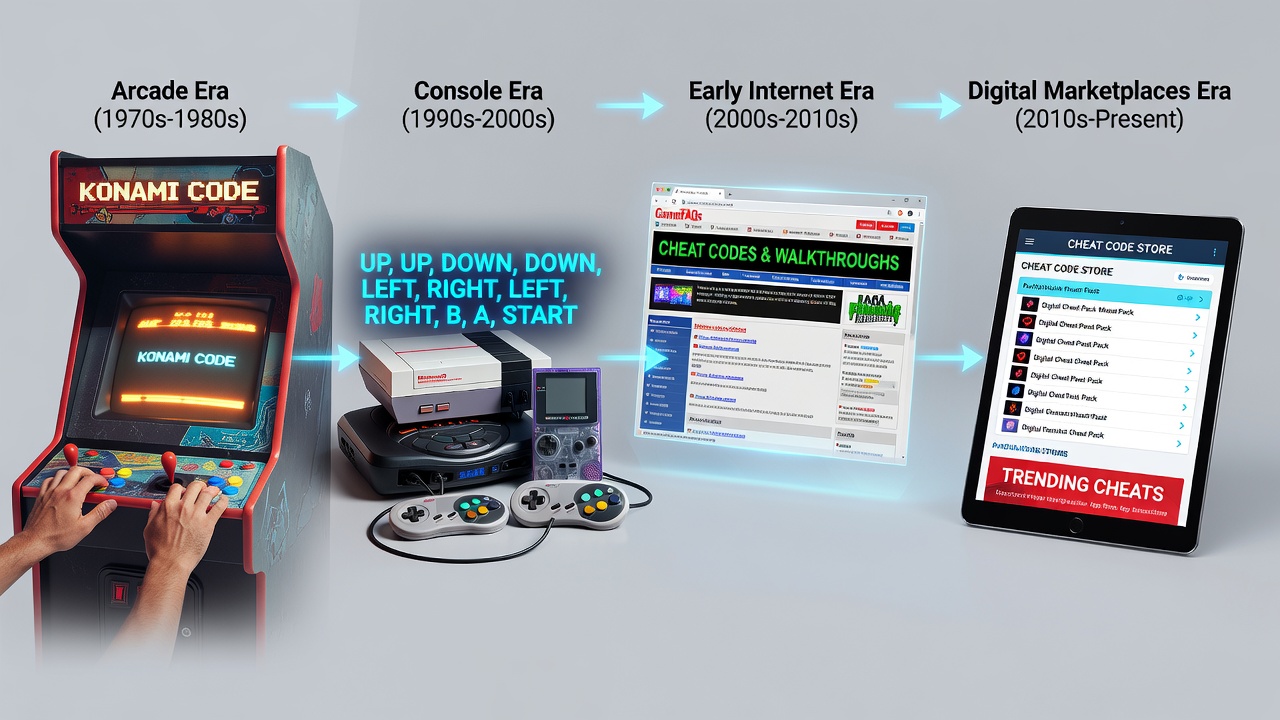
The Path of Cheat Codes Through Gaming History: Arcade Roots to Digital Platforms
Cheat codes first appeared in arcade cabinets during the late 1970s and early 1980s when developers inserted debug sequences to test levels without completing full playthroughs, and players soon identified these patterns through trial and observation while competing for high scores on machines like those running Space Invaders and Pac-Man. These early discoveries spread via word of mouth in arcades and printed magazines, creating informal networks where enthusiasts documented button combinations that granted extra lives or unlocked stages.
Arcade Foundations and Early Home Console Adaptations
Arcade operators noticed patterns of repeated play sessions that relied on these hidden inputs, yet manufacturers like Atari and Namco often left sequences intact because they extended machine uptime and revenue. When gaming moved into homes with systems such as the Atari 2600 and Nintendo Entertainment System, programmers carried forward the practice of embedding codes for quality assurance, and communities compiled lists that appeared in strategy guides sold alongside cartridges. Data from industry compilations shows that by the mid-1980s over 200 commercial titles included documented debug features ranging from level skips to infinite ammunition.
Researchers at university game studies programs have examined how these codes transitioned from internal tools to player commodities, noting that publications like Nintendo Power formalized distribution by printing monthly code updates that reached millions of subscribers. And while some developers viewed unauthorized use as a challenge to intended design, others incorporated player-discovered sequences into sequels as official features.
Internet Expansion and Community-Driven Modifications
The rise of dial-up bulletin board systems and later websites allowed players to exchange codes across regions, and forums dedicated to specific franchises aggregated thousands of entries by the mid-1990s. One notable shift occurred with the introduction of devices like Game Genie and GameShark that physically altered cartridge data, creating hardware marketplaces where third-party sellers distributed modified chips. According to reports from the Entertainment Software Association, accessory sales in this category generated measurable revenue streams through the early 2000s before digital distribution altered the landscape.
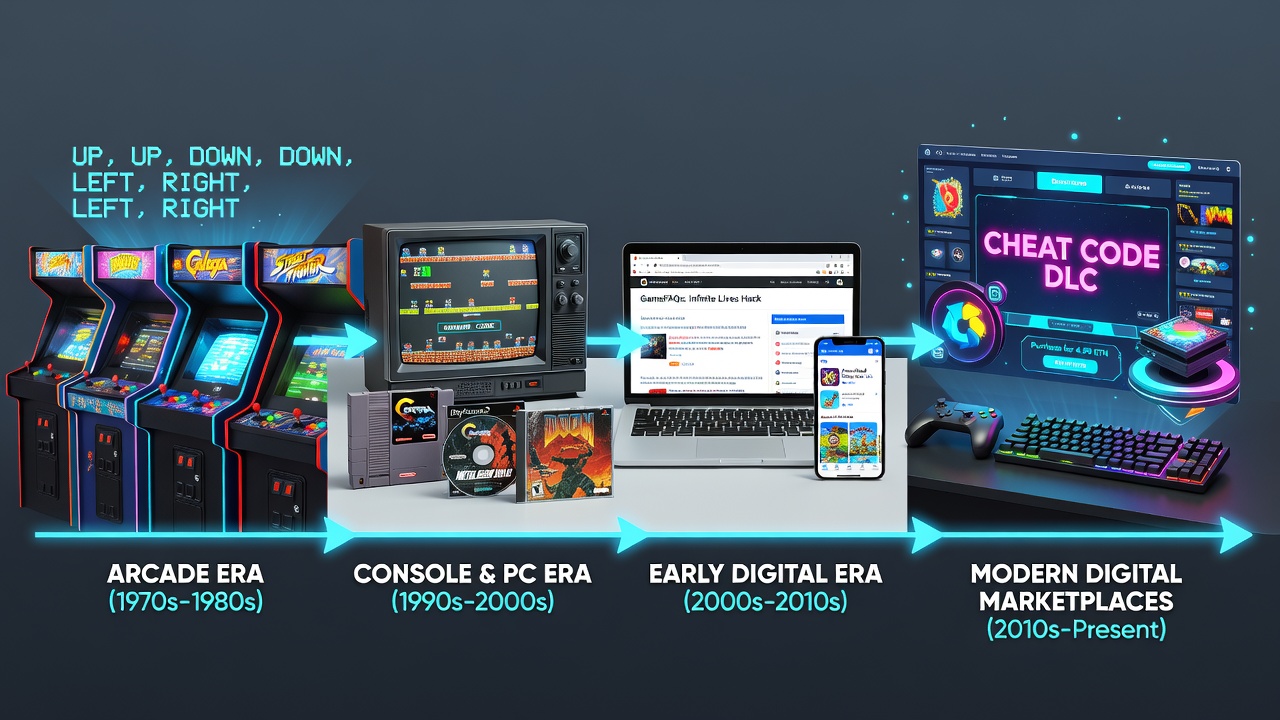
Observers tracking online activity noted that multiplayer titles such as Counter-Strike and World of Warcraft prompted new categories of code sharing focused on competitive edges, while single-player experiences retained traditional unlock sequences. European data from the Interactive Software Federation of Europe indicates that cheat-related discussions comprised a consistent portion of gaming forum traffic during that period, reflecting sustained interest across platforms.
Contemporary Digital Marketplaces and Platform Integration
By the 2010s, dedicated websites and in-game economies formalized the exchange of cheat tools, with some platforms offering subscription models for updated scripts and trainers compatible with live-service games. Developers responded through anti-cheat software suites that scan for unauthorized modifications, and legal actions against large-scale distributors have occurred in multiple jurisdictions. Figures from academic analyses of digital economies reveal that certain marketplaces processed millions of transactions annually, covering everything from cosmetic unlocks to gameplay advantages in titles across PC, console, and mobile ecosystems.
September 2026 sees continued refinement of these systems as major storefronts implement stricter verification layers while independent communities maintain archives of legacy codes from older hardware. Industry reports document ongoing collaboration between publishers and security firms to balance player creativity with competitive integrity, and educational resources from game design programs now include modules on the historical role of cheat mechanisms in software testing.
Conclusion
Cheat code culture has progressed from physical cabinet workarounds to structured online exchanges, with each technological shift expanding access and altering how players interact with game systems. Data collected over decades shows persistent demand alongside evolving countermeasures, and the pattern suggests continued adaptation as new platforms emerge.