Input Lag Dynamics and Their Influence on Esports Performance Data
Sofia Patterson · Oct 7, 2026
Input Lag Dynamics and Their Influence on Esports Performance Data
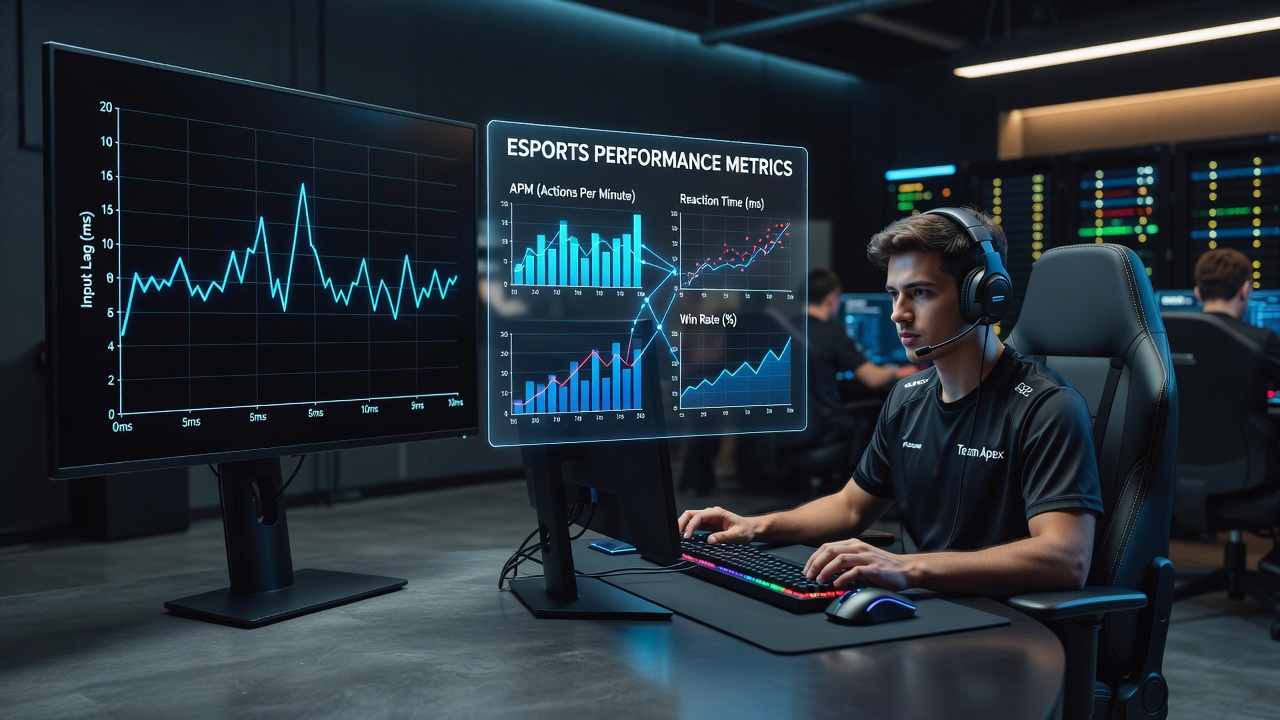
Input lag represents the delay between a player's action and the corresponding response on screen, and researchers have tracked its effects on professional esports metrics for years. Data from competitive circuits shows that even small increases in this delay correlate with measurable drops in reaction-based statistics such as first-shot accuracy and movement precision during high-stakes matches.
Defining Input Lag in Competitive Contexts
Observers note that input lag arises from multiple hardware layers including display refresh rates, controller polling intervals, and processing pipelines in gaming systems. Studies conducted by university labs indicate that professional players often operate at thresholds below 20 milliseconds, whereas consumer setups frequently exceed 40 milliseconds under similar conditions. Those who've analyzed tournament logs find that these differences appear most clearly in games requiring rapid directional inputs and timing-critical abilities.
Measurement Techniques Used by Analysts
Teams employ specialized tools such as high-speed cameras and dedicated latency analyzers to capture precise values during practice sessions and live events. According to figures released by industry testing groups, standardized protocols now include both end-to-end measurements and component-specific breakdowns that isolate monitor contributions from peripheral factors. Researchers discovered that combining these readings with in-game telemetry produces datasets capable of predicting performance variations across different hardware configurations.
Correlations With Key Performance Metrics
Performance data collected from major leagues reveals connections between elevated input lag and reduced kill-death ratios in fast-paced titles, while slower strategy games show milder impacts on overall win rates. Evidence suggests that players adjust their positioning and engagement distances when latency rises, which in turn alters map control statistics tracked by analysts. One study revealed that squads using optimized low-lag setups maintained higher average damage per minute across extended tournament runs compared with those on standard equipment.
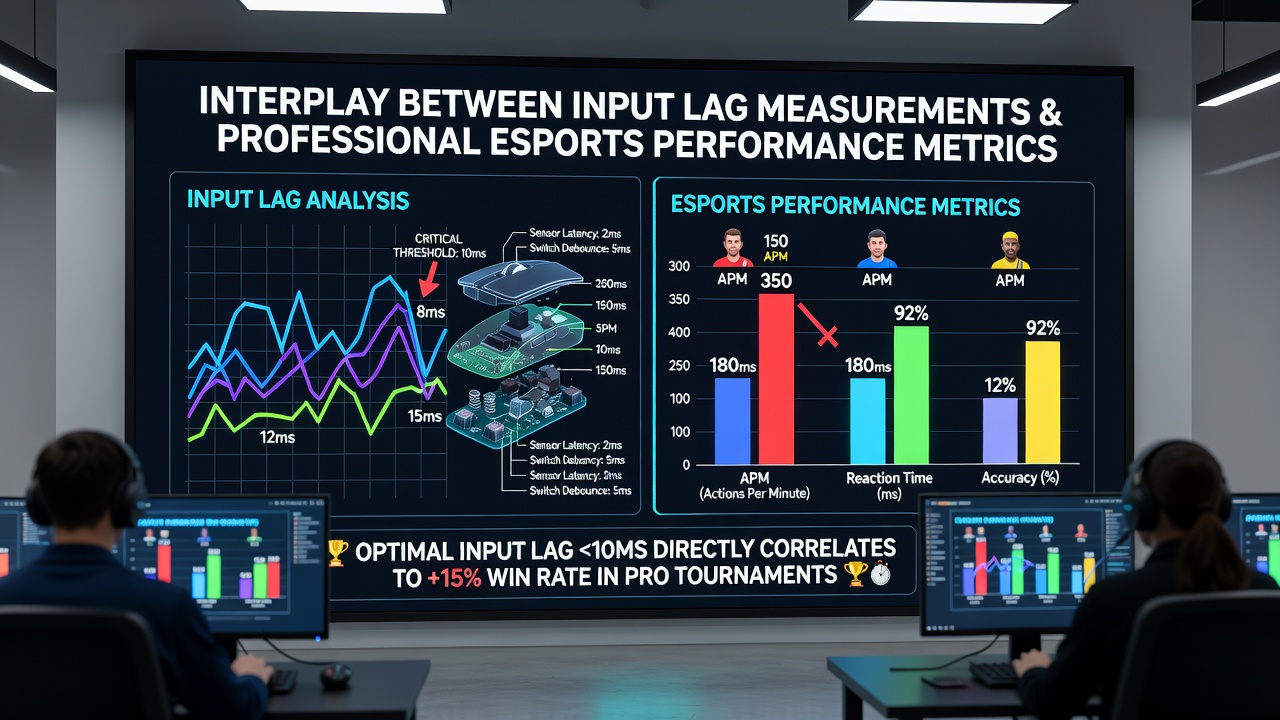
What's interesting is how these patterns hold across regions, with data from North American and European circuits showing similar trends when normalized for game type and player experience levels. Australian research institutions have contributed additional datasets that confirm the relationship persists even when network variables are controlled through local area network testing environments.
Hardware Standards and Tournament Requirements
Event organizers have begun specifying maximum acceptable input lag values for official competitions, and reports from October 2026 indicate several leagues now mandate pre-event hardware certification using approved measurement rigs. These rules aim to create consistent conditions so that performance metrics reflect skill rather than equipment differences. Industry associations in Canada and the European Union have published guidelines that teams reference when selecting monitors and controllers for roster use.
Players often discover that minor adjustments such as enabling specific display modes or updating firmware can reduce lag enough to shift key metrics like average reaction time by several milliseconds. Data shows these incremental gains compound over long series, where small edges influence round outcomes and series results recorded in official statistics.
Future Measurement Developments
Academic groups continue refining detection methods that incorporate machine learning to identify lag-induced patterns within existing performance logs, and preliminary results point toward automated flagging systems for tournament integrity checks. Observers note that integration with real-time broadcasting tools could soon provide viewers with contextual data on hardware conditions during live matches. Such advancements build on existing frameworks already adopted by several professional organizations.
Conclusion
The documented relationships between input lag measurements and esports performance metrics continue to shape equipment standards and analytical practices across the industry. Ongoing research supplies fresh datasets that teams and organizers use to maintain competitive balance while supporting the evolution of measurement protocols in the years ahead.